Spinnerbait Fishing
Beginner Difficulty — Spring, Summer, Fall
Difficulty
Beginner
Best For
Water Types
Seasons
What Is the Spinnerbait Fishing?
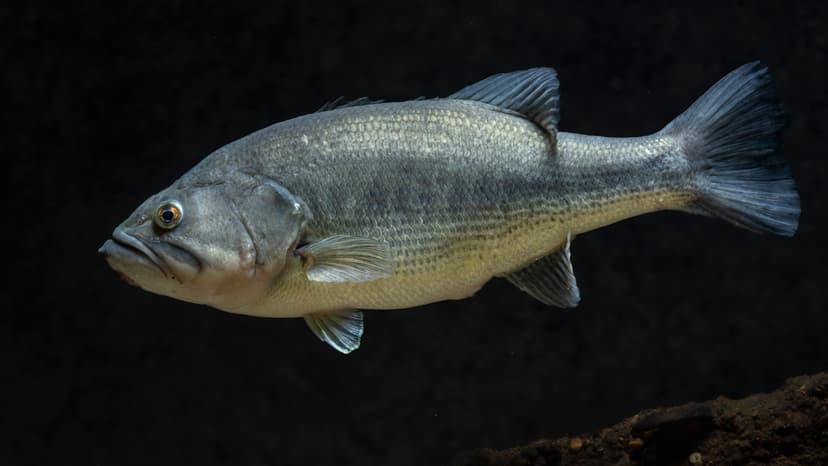
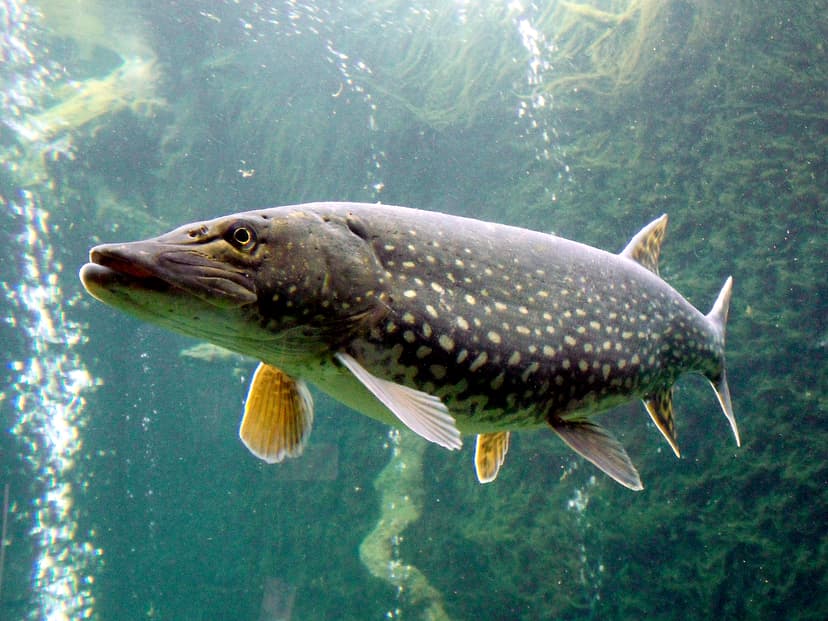
Spinnerbaits are one of the most versatile and beginner-friendly lures in fishing. The combination of flash from spinning blades and vibration makes them deadly in dirty water and around cover. They are virtually snag-proof and catch bass and pike throughout the year.
Step-by-Step Guide
Choose Blade Style and Size
Colorado blades produce maximum vibration for stained water and slow retrieves. Willow blades create flash for clear water and faster retrieves. Indiana blades split the difference. Use 3/8 oz in shallow water and 1/2 to 3/4 oz for deeper applications.
Select a Skirt Color
White and chartreuse are the two most important colors. Use white/silver in clear water with shad, chartreuse/white in stained water, and black in muddy water or at night.
Add a Trailer
Thread a soft plastic trailer (grub, twin-tail, or swimbait) onto the hook to add bulk, action, and a larger profile. A trailer hook can also improve hookup percentages.
Cast to Cover
Target laydowns, docks, grass edges, riprap, and rocky banks. Spinnerbaits can be cast directly into cover since the wire frame deflects off obstructions without snagging.
Slow Roll Along the Bottom
Retrieve the spinnerbait slowly so the blades barely turn, keeping the lure near the bottom. This technique excels in cold or muddy water when bass are lethargic.
Burn it Across the Surface
In warm water, retrieve fast enough that the blades bulge the surface without breaking through. This high-speed technique covers water and triggers reaction strikes from active fish.
Helicopter Down Ledges
Cast the spinnerbait past a drop-off and let it flutter down the ledge with the blades spinning on the fall. This vertical presentation mimics a dying shad and is deadly on bluff walls and channel swings.
Set the Hook Firmly
When you feel the strike — a sharp thump or sudden heaviness — set the hook with a firm upward sweep. Keep steady pressure during the fight since spinnerbaits have a single hook.
Required Gear
- Spinnerbaits (3/8 oz - 3/4 oz) — Stock Colorado blade, willow blade, and tandem blade models in white, chartreuse, and shad patterns.
- Soft Plastic Trailers — Twin-tail grubs, swimbaits, and chunk trailers add bulk and action to the spinnerbait skirt.
- Trailer Hooks — A small extra hook that slides onto the main hook to catch short-striking fish. Especially important with large-skirted spinnerbaits.
- Medium-Heavy Baitcasting Rod — A 7-foot medium-heavy fast-action rod handles the weight of spinnerbaits and provides leverage for hooksets around cover.
- Fluorocarbon Line (14-20 lb) — Fluorocarbon provides low visibility and abrasion resistance for fishing spinnerbaits around wood and rock cover.
Recommended Gear
Mustad KVD Elite Triple Grip Treble Hook #2
Mustad
$5.99
Mustad Grip-Pin EWG Worm Hook 5/0
Mustad
$5.49
Common Mistakes
- Only using one retrieve speed — vary between slow-rolling, moderate, and burning to find what fish want on any given day.
- Not adding a trailer hook, which causes you to miss short-striking fish that nip at the skirt.
- Throwing spinnerbaits only in dirty water — they also excel along grass edges and around cover in clear water.
- Using a rod that is too light, making it harder to feel bites and control the lure around heavy cover.
Pro Tips
- In muddy water, a big Colorado blade spinnerbait slow-rolled near the bottom is one of the most reliable bass catchers in all of fishing.
- When bass are short-striking, add a trailer hook and downsize your skirt or remove it entirely.
- During the fall shad migration, burning a willow-blade spinnerbait through schooling bass is as exciting as topwater.
- After a rain muddies the water, tie on a chartreuse/white spinnerbait before anything else — it will be the most productive lure on the lake.